₦115 Billion, Yet No Relief? Growing Anger in Niger Delta as Amnesty Beneficiaries Call for Federal Government Intervention.
- by Elaye, Bayelsa, HSN
- about 2 hours ago
- 40 views
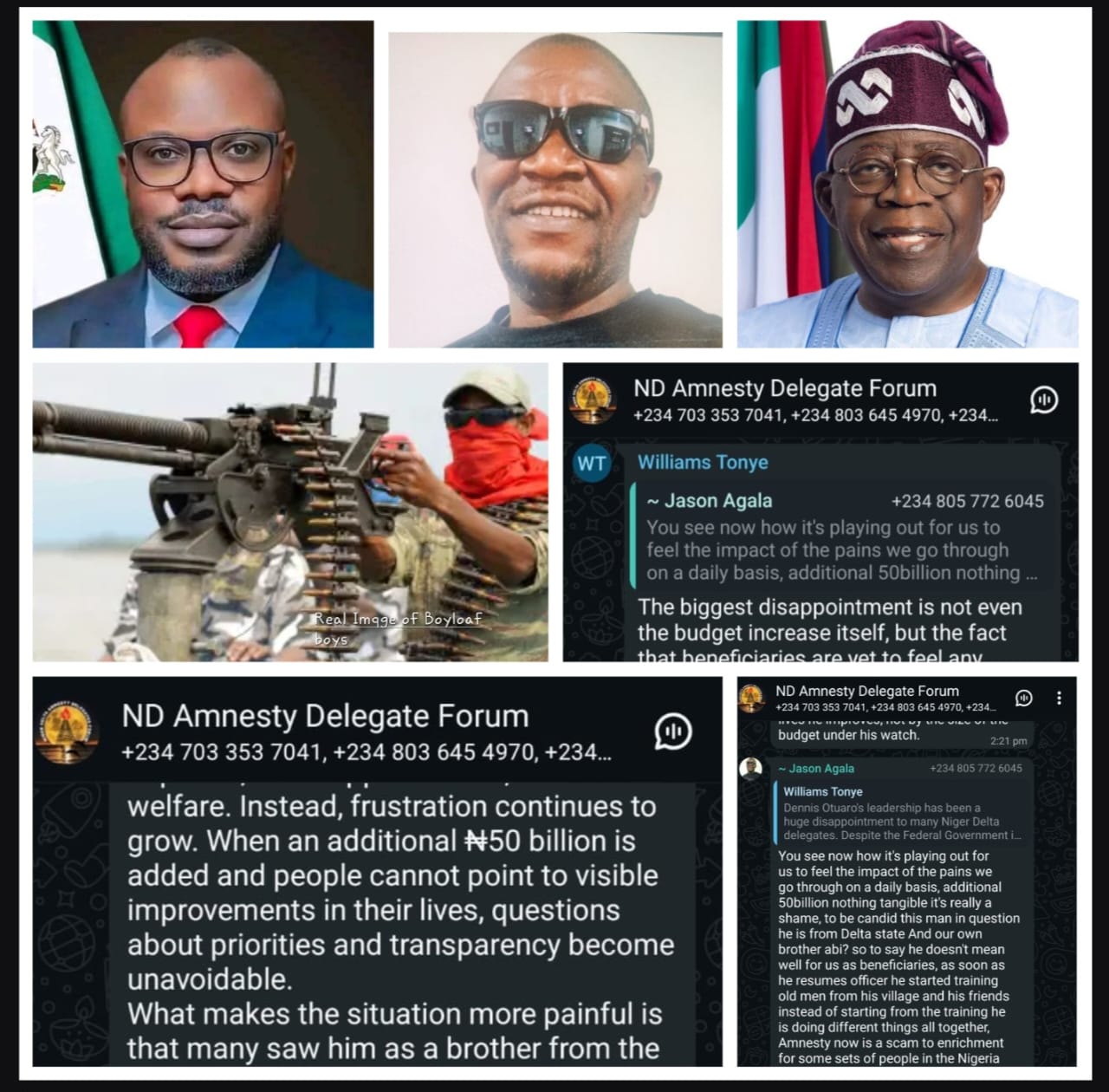
....As William Tonye and Jason Agala Raise Alarm Over Welfare Crisis in Amnesty Programme, Question Management of ₦115 Billion Allocation
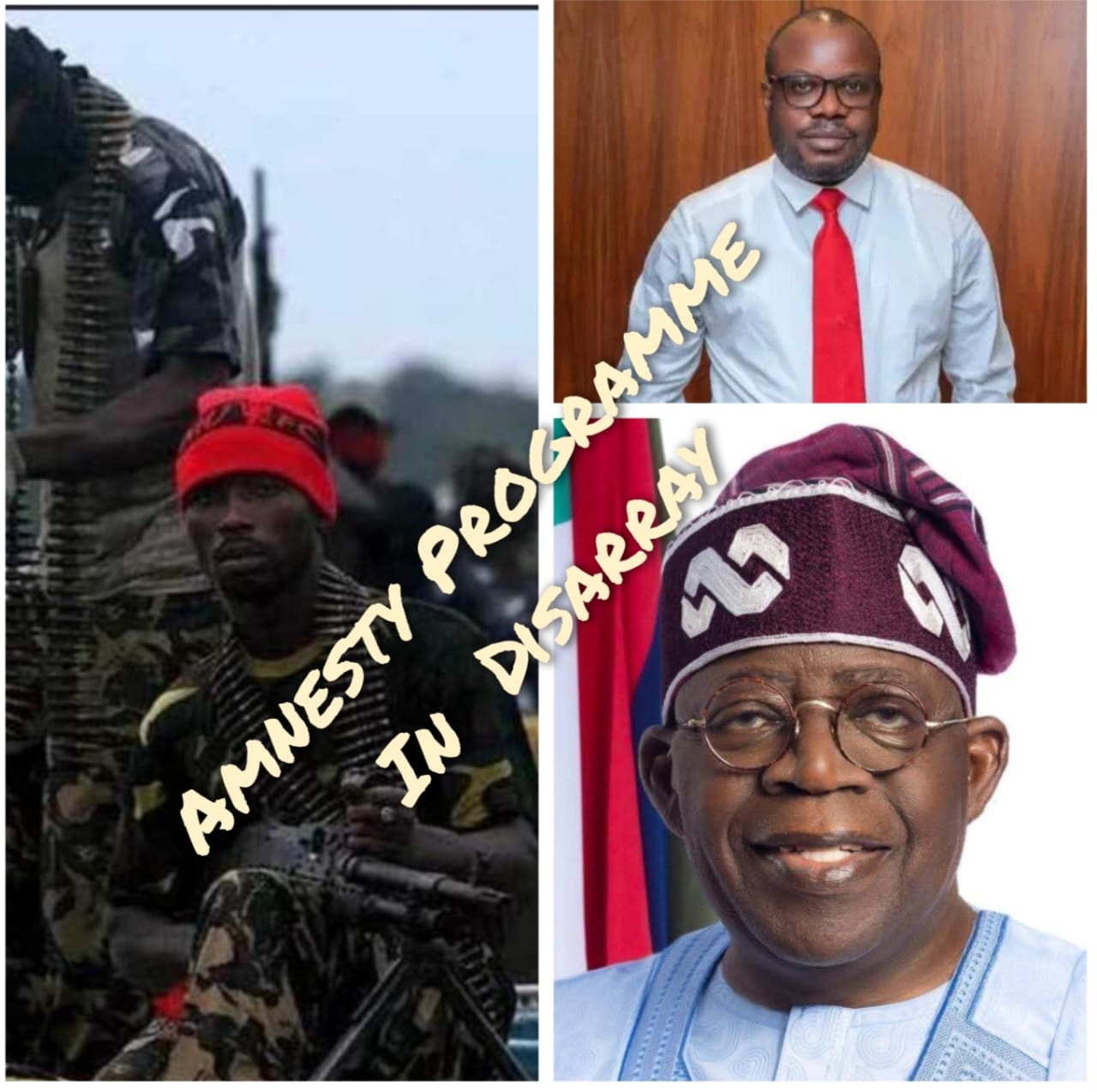
Fresh concerns have emerged over the administration of the Presidential Amnesty Programme (PAP), as beneficiaries and delegates from the Niger Delta region intensify calls for accountability, transparency, and urgent intervention by the Federal Government over the leadership of Administrator Dennis Otuaro.
At the forefront of the growing discontent are members of the Niger Delta Amnesty Delegates Forum, William Tonye and Jason Agala, who have openly expressed frustration over what they describe as the failure of the programme's leadership to translate increased government funding into meaningful improvements for beneficiaries.
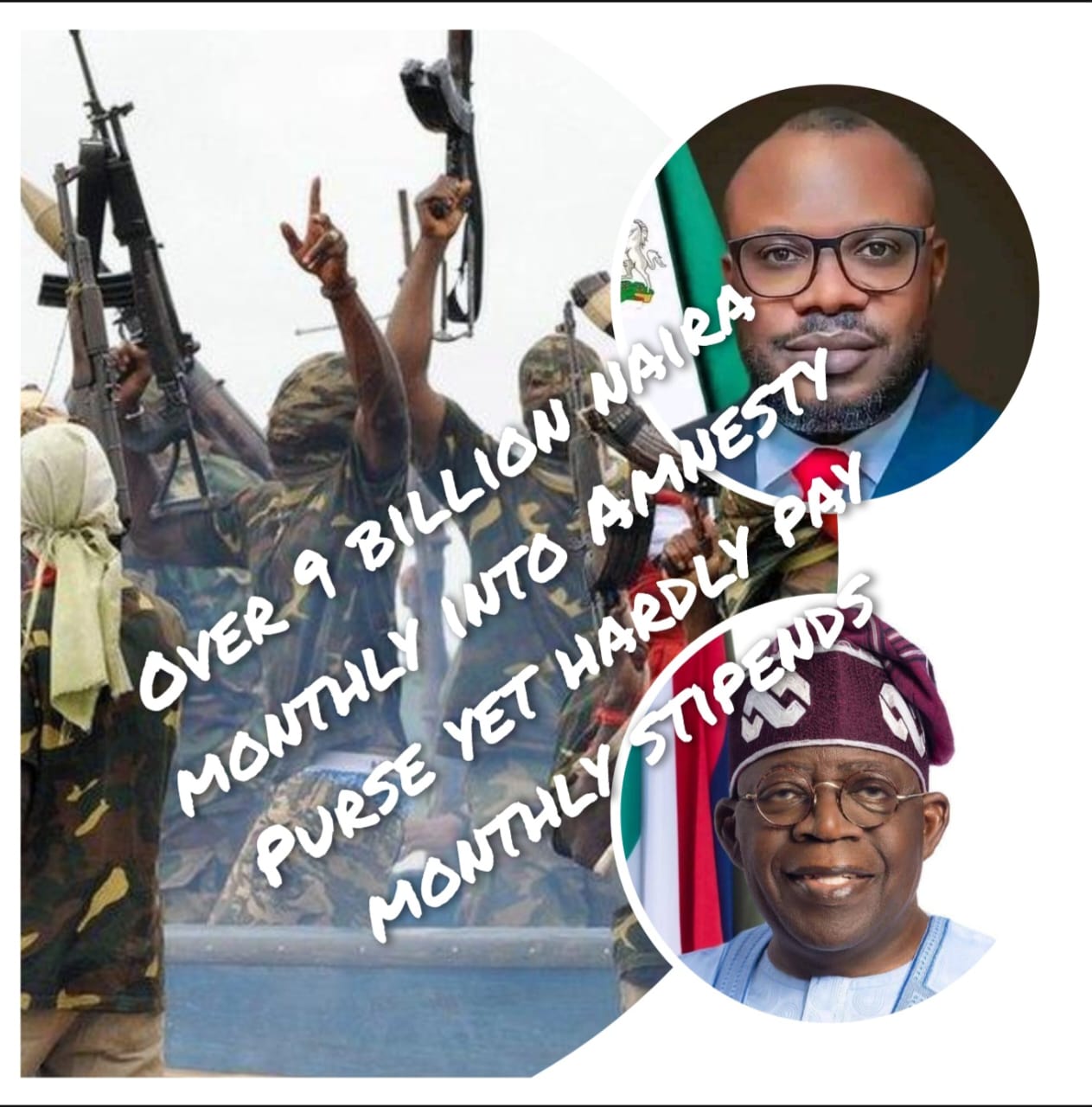
According to the delegates, the Federal Government reportedly increased the annual budget of the Presidential Amnesty Programme from ₦65 billion to ₦115 billion, representing an additional ₦50 billion allocation. However, despite the substantial increase, beneficiaries say they continue to receive the same ₦65,000 monthly stipend, with no significant improvement in welfare, training opportunities, empowerment programmes, or economic support.
For many beneficiaries struggling to survive amid rising inflation, soaring food prices, and worsening economic realities, the unchanged stipend has become a symbol of what they describe as a growing disconnect between government spending and the welfare of those the programme was established to serve.
William Tonye, speaking on behalf of concerned delegates, described the situation as one of the greatest disappointments experienced by beneficiaries in recent years.
According to him, the fundamental question being asked across communities in the Niger Delta remains unanswered:
"Where is the impact of the additional ₦50 billion?"
Tonye argued that leadership should not be measured by the size of a budget under an administrator's control, but by the visible and measurable improvements experienced by the people.
He noted that many beneficiaries had expected the increased funding to result in enhanced stipends, expanded vocational and educational training opportunities, youth empowerment initiatives, and broader economic support programmes aimed at helping ex-agitators and their families build sustainable livelihoods.
Instead, he said, many delegates continue to battle the same economic hardships that existed before the budget increase.
"The Amnesty Programme was established to rehabilitate, empower and improve lives. When the budget increases significantly but the welfare of beneficiaries remains unchanged, people naturally begin to ask questions. Leadership is about standing for the people and ensuring that available resources create visible improvements in their lives," Tonye said.
The delegate further lamented that many beneficiaries had welcomed Otuaro's appointment with optimism, believing that his roots in the Niger Delta would make him more responsive to the plight of those enrolled in the programme.
According to him, expectations were high that a leader who understood the realities of the region would prioritize beneficiaries' welfare and push for reforms capable of transforming lives.
However, he claimed that many beneficiaries now feel abandoned and disappointed by what they perceive as a lack of tangible progress despite the programme's increased financial resources.
Tonye stressed that continued complaints from beneficiaries across the region indicate a deeper crisis that cannot simply be ignored.
He called for a comprehensive and transparent breakdown of how the programme's ₦115 billion budget is being utilized, particularly amid reports that additional beneficiaries have been incorporated into the scheme.
"If more people have truly been added to the programme, then management should provide a clear explanation of how funds are being allocated. Transparency is necessary to restore trust and confidence. Silence only fuels suspicion and creates more questions," he added.
The concerns raised by Tonye reflect a broader sentiment among some beneficiaries who believe the programme has drifted away from its original purpose.
Many argue that despite increased funding, they are yet to see corresponding improvements in training opportunities, scholarship programmes, skills acquisition initiatives, or other empowerment projects that could create lasting economic benefits.
Adding his voice to the growing criticism, fellow delegate Jason Agala painted a grim picture of the daily struggles faced by beneficiaries.
Agala said the additional ₦50 billion allocation has failed to produce visible changes in the lives of many people who depend on the programme for support.
According to him, beneficiaries had expected the increased budget to bring relief and renewed hope, but instead many remain trapped in the same cycle of hardship.
"Every day we experience the realities of economic hardship. People expected the increased budget to make a difference, but many beneficiaries cannot point to anything tangible that has improved in their lives. That is why frustration is growing," he lamented.
Agala further expressed disappointment that a leader many considered "one of their own" has not met the expectations attached to his appointment.
He alleged that some of the programme's activities have failed to adequately prioritize deserving beneficiaries, while concerns about fairness and inclusiveness continue to grow among stakeholders.
His remarks echo a wider feeling among some beneficiaries who believe that the programme's resources should be more directly targeted toward improving welfare and creating opportunities for those for whom the initiative was originally designed.
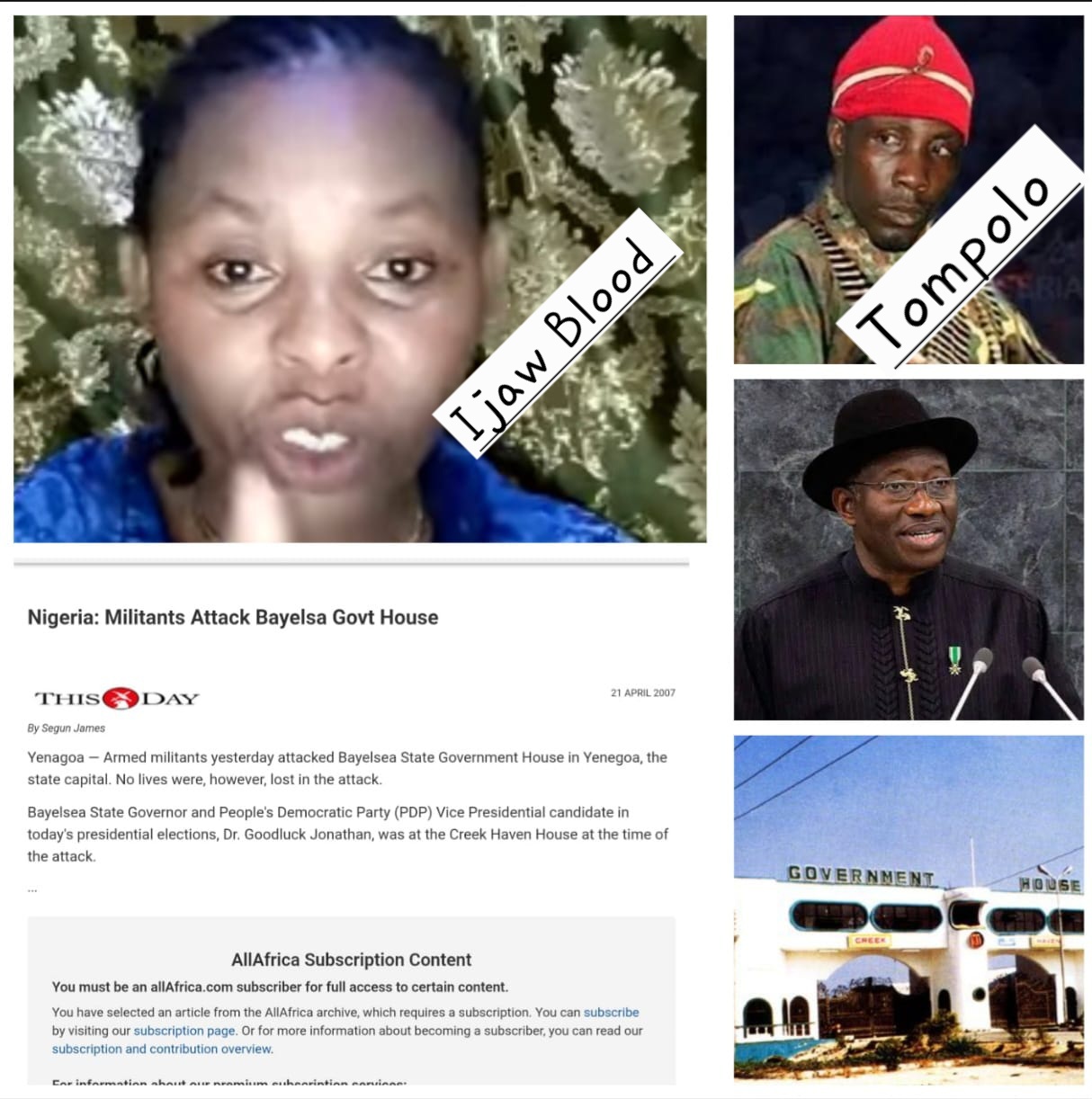
The growing dissatisfaction has also triggered comparisons with previous administrations of the Amnesty Programme.
Some beneficiaries have pointed to the tenure of former administrators, particularly Col. Milland Dikio (Rtd.), arguing that they witnessed more visible interventions and beneficiary-focused programmes during that period.
While opinions differ on past administrations, observers note that the comparisons reflect a broader desire among beneficiaries for leadership that delivers measurable results and prioritizes their welfare.
As frustration continues to mount, Tonye disclosed plans to publicly present what he described as evidence and information regarding the management of funds allocated to the programme.
He stated that concerns raised by beneficiaries can no longer be ignored and called on relevant oversight and anti-corruption agencies to closely examine the issues being highlighted.
According to him, beneficiaries deserve answers regarding how public funds allocated for their rehabilitation, empowerment, and welfare are being spent.
"The people deserve transparency. They deserve accountability. They deserve to know how funds meant to improve their lives are being utilized. These questions have remained unanswered for too long," he stated.
The controversy surrounding the programme comes at a time when many Nigerians are demanding greater accountability in the management of public resources.
For thousands of beneficiaries across the Niger Delta, the central question remains simple yet profound: How can a programme receive an additional ₦50 billion allocation while the people it was established to uplift continue to face the same challenges without visible improvement?
Until clear answers are provided, calls for investigation, reforms, and possible leadership changes within the Presidential Amnesty Programme are likely to grow louder.
For many beneficiaries, the issue is no longer merely about budget figures—it is about trust, accountability, and whether the programme still serves the purpose for which it was created: restoring hope, dignity, and economic opportunity to the people of the Niger Delta.






0 Comment(s)